How Much Does It Cost to Start a Bakery in Utah?
Starting a Bakery in Utah typically costs between $20,000 and $300,000, with a median estimate of $95,000. Utah’s cost of living is 1% below the national average, which helps reduce operating expenses like commercial rent and labor. LLC formation in Utah costs $54 to file. Most bakery businesses take 1-4 months to launch.
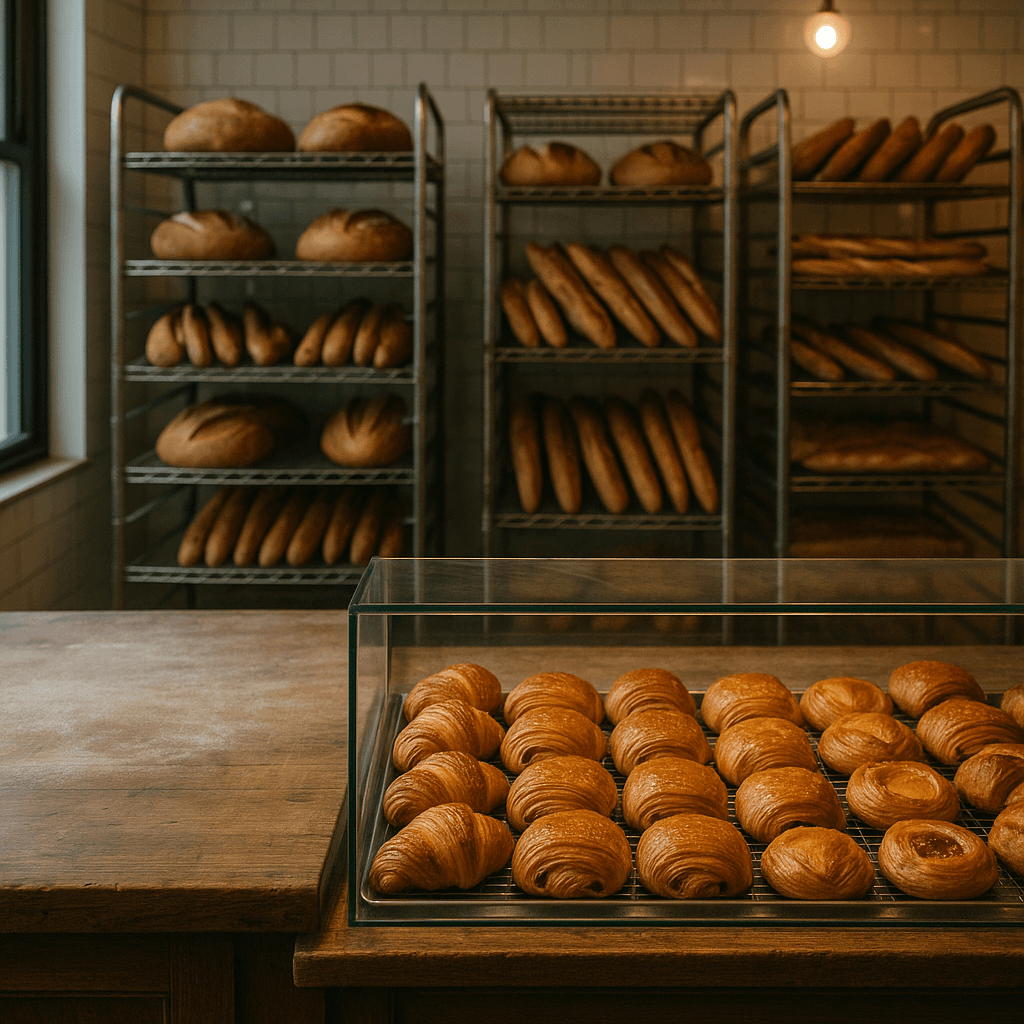
How Much Does It Cost to Start a Bakery in Utah?
Low
$20,000
Medium
$95,000
High
$300,000
National average: $20,000 – $300,000
Interactive Startup Cost Calculator
Startup Cost Calculator
Bakery in Utah
Options
Startup Costs
$99,000
Monthly Costs
$8,000
First Year Total
$195,000
Full Cost Breakdown
| Cost Category | Low | Medium | High | Notes |
|---|---|---|---|---|
| Commercial Baking Equipment | $10,000 | $40,000 | $120,000 | A commercial convection oven is a four-figure capital purchase each. High-capacity deck ovens are a meaningful five-figure capital line item. Quality used equipment can cut the bill substantially. |
| Smallwares & Baking Supplies | $1,500 | $5,000 | $15,000 | Often underestimated. Quality smallwares last years but require upfront investment. |
| Licenses & Permits | $200 | $1,500 | $5,000 | Many states have cottage food laws allowing home bakeries to sell up to a per-state revenue cap without a commercial license — caps vary widely by jurisdiction, so check your state's current rule. |
| Initial Ingredients Inventory | $1,000 | $4,000 | $10,000 | Order in bulk for staples like flour and sugar. Specialty ingredients have high unit costs but low volume. |
| Insurance | $800 | $2,500 | $6,000 | Product liability is essential — a contamination claim can be devastating. Home-based bakeries need rider on homeowner's policy. |
| Working Capital Reserve | $3,000 | $10,000 | $30,000 | Retail bakeries need 3 months of expenses. Home-based operations need much less. |
| Retail Space Lease & Build-Out (optional) | $5,000 | $30,000 | $100,000 | Home-based bakeries operating under cottage food laws have effectively no leased-space cost. Retail storefronts require significant build-out for ventilation and equipment. |
| Packaging & Branding (optional) | $500 | $3,000 | $8,000 | Custom branded packaging significantly increases perceived value and justifies premium pricing. |
| Marketing & Website (optional) | $500 | $3,000 | $8,000 | Instagram is the most powerful channel for bakeries. Invest in professional food photography. |
| Total Startup Cost | $16,500 | $63,000 | $186,000 | Required costs only |
Licenses & Permits in Utah
Licenses & Permits in Utah
General Business License
Utah does not have a statewide general business license. Businesses must register their entity with the Utah Division of Corporations and Commercial Code and register with the Utah State Tax Commission for sales and use tax purposes. Many Utah cities require local business licenses — Salt Lake City, Provo, Ogden, and other municipalities have their own licensing requirements. Utah's One Stop Business Registration system at business.utah.gov helps streamline the process.
Industry-Specific Licenses
- Food Service Sanitation License — Utah Department of Agriculture and Food or Local Health DepartmentCost: Varies — contact agency • Renewal: Annual
- General Building Contractor License — Utah Division of Occupational and Professional Licensing — ContractorCost: Varies — contact agency • Renewal: Biennial
- Cosmetology/Barber Salon Registration — Utah Division of Occupational and Professional LicensingCost: Varies — contact agency • Renewal: Annual
- Real Estate Broker License — Utah Division of Real EstateCost: Varies — contact agency • Renewal: Annual
- Child Care Facility License — Utah Office of Child CareCost: Varies — contact agency • Renewal: Annual
- Outfitter and Guide License — Utah Division of Wildlife ResourcesCost: Varies — contact agency • Renewal: Annual
- Restaurant License — Utah Department of Alcoholic Beverage ServicesCost: Varies — contact agency • Renewal: Annual
- Money Services Business License — Utah Department of Financial InstitutionsCost: Varies — contact agency • Renewal: Annual
Home-Based Business Rules
Utah municipalities regulate home-based businesses through local zoning ordinances. Salt Lake City allows home occupations in residential zones with standard restrictions on customer visits, commercial signage, and non-resident employees. Utah's many growing communities have updated their home occupation rules to accommodate remote workers and entrepreneurs. Utah's cottage food law supports home-based food production and direct consumer sales subject to a state-defined annual cap.
Monthly Operating Costs
After launch, plan for these ongoing monthly expenses for your Bakery:
Low
$2,000/mo
Medium
$8,000/mo
High
$25,000/mo
Revenue Potential
Annual Revenue Range
$30,000 – $500,000 (annual)
Profit Margins
4-10%
Break-Even Timeline
12-36 months
How Utah Compares to Neighboring States
Utah is close to the national average for Bakery startup costs, with a cost-of-living index of 99.5. Compared to neighboring Idaho ($91,200 median startup cost), Utah has higher costs for a Bakery.
Common Mistakes to Avoid
- 1
Underpricing products — calculate food cost (ingredients + labor) and price at 3x minimum
- 2
Starting with too wide a product range — master 5-10 signature items before expanding
- 3
Ignoring cottage food law limits — many states cap home bakery sales; know your state's rules
- 4
Skipping commercial equipment and using residential ovens — they can't handle volume and void insurance
- 5
Not tracking waste — unsold baked goods are direct profit losses; forecast demand carefully
Next Steps to Launch Your Bakery
- 1
Register your Bakery as an LLC with the Utah Secretary of State ($54 filing fee). If you would rather not file the paperwork yourself, you can compare business formation services.
This is a paid link. If you sign up through it, we earn a commission at no extra cost to you.
- 2
Check Utah cottage food law limits — if you plan to sell above the threshold, you need a commercial kitchen license
- 3
Obtain a Utah retail food establishment permit and pass the health department commercial bakery inspection
- 4
Source your commercial baking equipment: convection ovens, proofers, commercial mixers, and display cases
- 5
Get product liability insurance and commercial property coverage for your bakery — typically a low four-figure annual premium combined
- 6
Establish wholesale accounts with your flour, butter, and specialty ingredient suppliers for volume pricing
- 7
Apply for a Utah sales tax permit to collect and remit sales tax on retail bakery sales
- 8
Launch your menu with your top 12–15 items and add seasonal specials after the first month of operation
Frequently Asked Questions
Related Businesses in Utah
Restaurant
Food & Beverage$175,000 – $750,000
View in Utah →
Coffee Shop
Food & Beverage$60,000 – $350,000
View in Utah →
Food Truck
Food & Beverage$45,000 – $200,000
View in Utah →
Meal Prep Business
Food & Beverage$20,000 – $200,000
View in Utah →
Catering Business
Food & Beverage$12,000 – $130,000
View in Utah →
Start a Bakery in Other States
See the national overview for Bakery or browse all businesses you can start in Utah.