How Much Does It Cost to Start a Coffee Shop in Pennsylvania?
Starting a Coffee Shop in Pennsylvania typically costs between $57,600 and $336,000, with a median estimate of $115,200. Pennsylvania’s cost of living is 3% below the national average, which helps reduce operating expenses like commercial rent and labor. LLC formation in Pennsylvania costs $125 to file. Most coffee shop businesses take 2-6 months to launch.
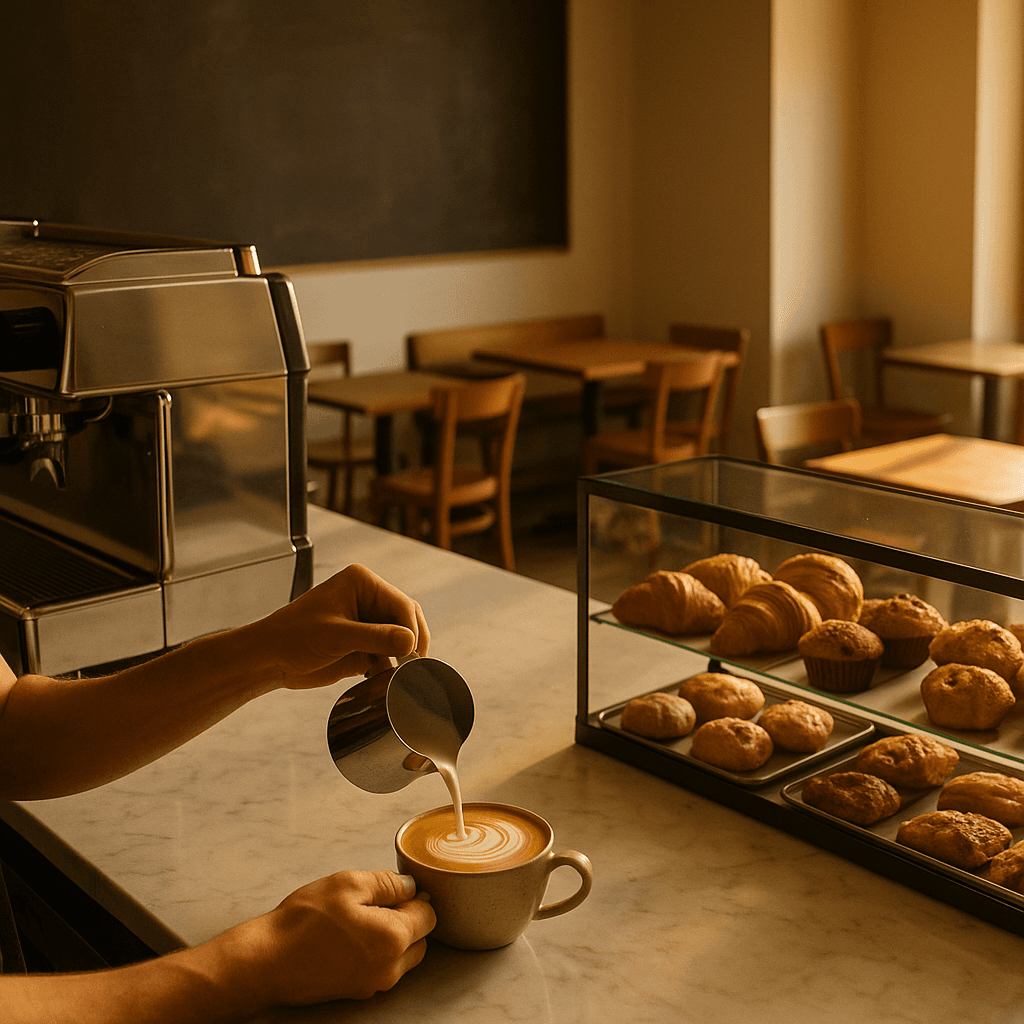
How Much Does It Cost to Start a Coffee Shop in Pennsylvania?
Low
$57,600
Medium
$115,200
High
$336,000
National average: $60,000 – $350,000
Interactive Startup Cost Calculator
Startup Cost Calculator
Coffee Shop in Pennsylvania
Options
Startup Costs
$106,560
Monthly Costs
$14,400
First Year Total
$279,360
Full Cost Breakdown
| Cost Category | Low | Medium | High | Notes |
|---|---|---|---|---|
| Retail Space Lease & Renovation | $11,520 | $38,400 | $115,200 | Kiosk and cart concepts can launch at the low end of the build-out range. A full cafe with seating typically requires a substantial five-figure to low six-figure build-out budget. |
| Espresso Equipment | $11,520 | $14,400 | $48,000 | A quality 2-group commercial espresso machine is a meaningful five-figure capital purchase. La Marzocco, Synesso, and Slayer are top choices for serious cafes. |
| Furniture, Fixtures & Decor | $4,800 | $11,520 | $38,400 | Comfortable, Instagram-worthy seating drives dwell time and repeat visits. Don't cut corners on ambiance. |
| Licenses & Permits | $1,440 | $2,400 | $6,720 | If selling alcohol (beer/wine for coffee cocktails), add a beer/wine license — fees vary widely by state and jurisdiction, from a low four-figure cost in most states to well into the five figures in restricted markets. |
| Initial Inventory | $3,360 | $4,800 | $14,400 | Source specialty coffee beans from local roasters for differentiation. Include 2-4 weeks of inventory. |
| POS System | $1,920 | $2,880 | $7,680 | Square (https://squareup.com/us/en/point-of-sale), Toast (https://pos.toasttab.com/), and Lightspeed are popular for cafes. Plan for an ongoing monthly software subscription scaled to terminal count and feature set. |
| Insurance | $2,400 | $3,360 | $7,680 | Coffee shops need general liability for slip-and-fall incidents and product liability for food safety. |
| Marketing & Branding | $2,880 | $4,800 | $14,400 | A compelling brand story and Instagram presence are essential. Coffee culture is highly visual. |
| Working Capital Reserve | $17,760 | $24,000 | $67,200 | Coffee shops typically break even in month 6-12. Keep 3-4 months of expenses in reserve. |
| Total Startup Cost | $57,600 | $106,560 | $319,680 | Required costs only |
Licenses & Permits in Pennsylvania
Licenses & Permits in Pennsylvania
General Business License
Pennsylvania does not have a statewide general business license, but businesses must register their entity with the Pennsylvania Department of State and register with the Pennsylvania Department of Revenue for sales tax collection and withholding tax purposes. Pennsylvania's 2,500+ municipalities may require local business licenses — Philadelphia has an extensive Business Privilege License system, Pittsburgh requires business registration, and many other cities and townships have their own licensing requirements.
Industry-Specific Licenses
- Food Facility License — Pennsylvania Department of Agriculture or Local Health DepartmentCost: Varies — contact agency • Renewal: Annual
- Home Improvement Contractor Registration — Pennsylvania Attorney General's OfficeCost: Varies — contact agency • Renewal: Annual
- Cosmetology Shop License — Pennsylvania State Board of CosmetologyCost: Varies — contact agency • Renewal: Biennial
- Real Estate Broker License — Pennsylvania State Real Estate CommissionCost: Varies — contact agency • Renewal: Biennial
- Child Care Center Certificate of Compliance — Pennsylvania Department of Human Services — Bureau of Certification ServicesCost: Varies — contact agency • Renewal: Annual
- Restaurant Liquor License (R License) — Pennsylvania Liquor Control BoardCost: Varies — contact agency • Renewal: Annual
- Medical Practice License — Pennsylvania State Board of MedicineCost: Varies — contact agency • Renewal: Biennial
- Motor Carrier Certificate — Pennsylvania Public Utility CommissionCost: Varies — contact agency • Renewal: Annual
Home-Based Business Rules
Pennsylvania municipalities regulate home-based businesses through local zoning ordinances. Philadelphia allows home occupations in residential zones with standard restrictions on commercial activity and signage. Pittsburgh's residential districts permit limited home occupations. Pennsylvania's thousands of small boroughs and townships have varying home occupation rules, though most follow similar patterns. Pennsylvania's cottage food law supports home-based food production and direct consumer sales.
Monthly Operating Costs
After launch, plan for these ongoing monthly expenses for your Coffee Shop:
Low
$5,000/mo
Medium
$15,000/mo
High
$35,000/mo
Revenue Potential
Annual Revenue Range
$100,000 – $800,000 (annual)
Profit Margins
2.5-6.5%
Break-Even Timeline
12-24 months
How Pennsylvania Compares to Neighboring States
Pennsylvania is close to the national average for Coffee Shop startup costs, with a cost-of-living index of 97.1. Compared to neighboring New York ($166,800 median startup cost), Pennsylvania offers lower costs for a Coffee Shop.
| State | Est. Cost | LLC Fee |
|---|---|---|
| Pennsylvania (current) | $115,200 | $125 |
| New York | $166,800 | $200 |
| New Jersey | $150,000 | $125 |
| Delaware | $124,800 | $110 |
| Maryland | $145,200 | $100 |
| West Virginia | $92,400 | $100 |
| Ohio | $105,600 | $99 |
Common Mistakes to Avoid
- 1
Choosing a location based on low rent rather than foot traffic — coffee shops live and die by traffic count
- 2
Underinvesting in espresso equipment — entry-level prosumer machines cannot produce consistent shots under cafe volume
- 3
Offering too broad a food menu before establishing core coffee quality
- 4
Not training baristas properly — inconsistent drinks destroy repeat business
- 5
Ignoring WiFi and seating comfort — dwell time drives per-customer revenue
Next Steps to Launch Your Coffee Shop
- 1
Register your Coffee Shop as an LLC with the Pennsylvania Secretary of State ($125 filing fee). If you would rather not file the paperwork yourself, you can compare business formation services.
This is a paid link. If you sign up through it, we earn a commission at no extra cost to you.
- 2
Obtain a Pennsylvania food service establishment license and food handler permits for all baristas
- 3
Pass the Pennsylvania health department inspection for your commercial coffee bar build-out
- 4
Source specialty coffee equipment: commercial espresso machine, grinders, and water filtration system — collectively a substantial five-figure capital outlay
- 5
Establish wholesale coffee bean accounts with 2–3 local or regional roasters before opening
- 6
Get general liability and commercial property insurance for your coffee shop — typically a low four-figure annual premium
- 7
Set up your POS system (Square or Toast), loyalty program, and Google Business Profile
- 8
Plan your soft opening to gather customer feedback before the official grand opening
Frequently Asked Questions
Related Businesses in Pennsylvania
Bakery
Food & Beverage$20,000 – $300,000
View in Pennsylvania →
Restaurant
Food & Beverage$175,000 – $750,000
View in Pennsylvania →
Juice Bar & Smoothie Shop
Food & Beverage$25,000 – $250,000
View in Pennsylvania →
Food Truck
Food & Beverage$45,000 – $200,000
View in Pennsylvania →
Bar & Nightclub
Food & Beverage$100,000 – $850,000
View in Pennsylvania →
Start a Coffee Shop in Other States
See the national overview for Coffee Shop or browse all businesses you can start in Pennsylvania.