How Much Does It Cost to Start a Coffee Shop in Washington?
Starting a Coffee Shop in Washington typically costs between $70,800 and $413,000, with a median estimate of $141,600. Washington’s cost of living runs 13% above the national average, which increases commercial rent and labor costs. LLC formation in Washington costs $200 to file. Most coffee shop businesses take 2-6 months to launch.
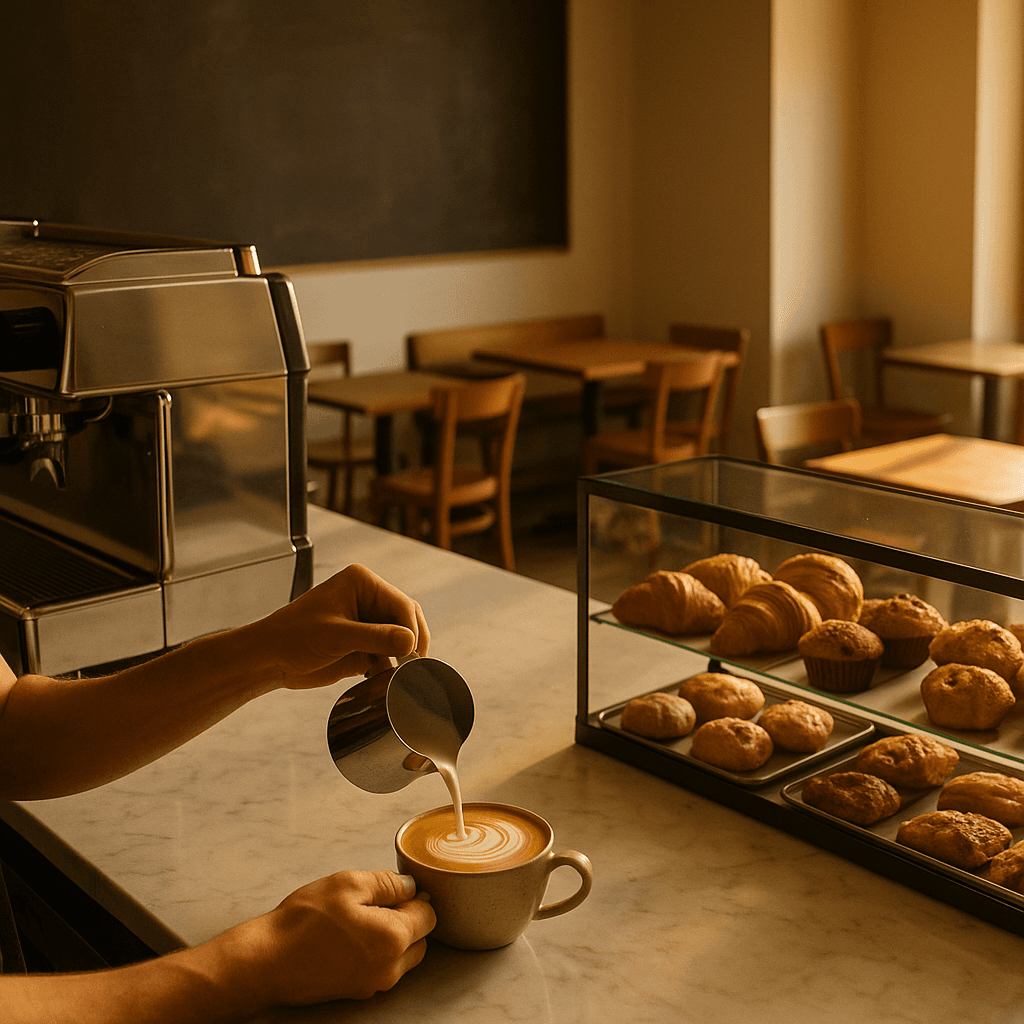
How Much Does It Cost to Start a Coffee Shop in Washington?
Low
$70,800
Medium
$141,600
High
$413,000
National average: $60,000 – $350,000
Interactive Startup Cost Calculator
Startup Cost Calculator
Coffee Shop in Washington
Options
Startup Costs
$130,875
Monthly Costs
$17,700
First Year Total
$343,275
Full Cost Breakdown
| Cost Category | Low | Medium | High | Notes |
|---|---|---|---|---|
| Retail Space Lease & Renovation | $14,160 | $47,200 | $141,600 | Kiosk and cart concepts can launch at the low end of the build-out range. A full cafe with seating typically requires a substantial five-figure to low six-figure build-out budget. |
| Espresso Equipment | $14,160 | $17,700 | $59,000 | A quality 2-group commercial espresso machine is a meaningful five-figure capital purchase. La Marzocco, Synesso, and Slayer are top choices for serious cafes. |
| Furniture, Fixtures & Decor | $5,900 | $14,160 | $47,200 | Comfortable, Instagram-worthy seating drives dwell time and repeat visits. Don't cut corners on ambiance. |
| Licenses & Permits | $1,770 | $2,950 | $8,260 | If selling alcohol (beer/wine for coffee cocktails), add a beer/wine license — fees vary widely by state and jurisdiction, from a low four-figure cost in most states to well into the five figures in restricted markets. |
| Initial Inventory | $4,130 | $5,900 | $17,700 | Source specialty coffee beans from local roasters for differentiation. Include 2-4 weeks of inventory. |
| POS System | $2,360 | $3,540 | $9,440 | Square (https://squareup.com/us/en/point-of-sale), Toast (https://pos.toasttab.com/), and Lightspeed are popular for cafes. Plan for an ongoing monthly software subscription scaled to terminal count and feature set. |
| Insurance | $2,875 | $4,025 | $9,200 | Coffee shops need general liability for slip-and-fall incidents and product liability for food safety. |
| Marketing & Branding | $3,540 | $5,900 | $17,700 | A compelling brand story and Instagram presence are essential. Coffee culture is highly visual. |
| Working Capital Reserve | $21,830 | $29,500 | $82,600 | Coffee shops typically break even in month 6-12. Keep 3-4 months of expenses in reserve. |
| Total Startup Cost | $70,725 | $130,875 | $392,700 | Required costs only |
Licenses & Permits in Washington
Licenses & Permits in Washington
General Business License
Washington State requires most businesses to obtain a Unified Business Identifier (UBI) through the Business Licensing Service (BLS) of the Department of Revenue. Washington has no state income tax, but does have a Business and Occupation (B&O) tax applied to gross receipts, which is unique among US states. Additionally, businesses must register for the B&O tax and any applicable retail sales tax. Many cities require a separate city business license endorsed onto the state license through a streamlined endorsement system.
Industry-Specific Licenses
- Food Service Establishment Permit — Washington State Department of Health or Local Health DepartmentCost: Varies — contact agency • Renewal: Annual
- General Contractor Registration — Washington State Department of Labor and IndustriesCost: Varies — contact agency • Renewal: Annual
- Master Cosmetician Shop License — Washington State Department of Licensing — CosmetologyCost: Varies — contact agency • Renewal: Annual
- Real Estate Broker License — Washington State Department of Licensing — Real EstateCost: Varies — contact agency • Renewal: Biennial
- Family Day Care License / Child Care Center License — Washington State Department of Children, Youth, and FamiliesCost: Varies — contact agency • Renewal: Annual
- Marijuana Retailer License — Washington State Liquor and Cannabis BoardCost: Varies — contact agency • Renewal: Annual
- Spirits/Beer/Wine Restaurant License — Washington State Liquor and Cannabis BoardCost: Varies — contact agency • Renewal: Annual
- Money Transmitter License — Washington State Department of Financial InstitutionsCost: Varies — contact agency • Renewal: Annual
Home-Based Business Rules
Washington municipalities regulate home-based businesses through local ordinances within the GMA planning framework. Seattle allows home occupations in residential zones with restrictions on customer visits, commercial delivery, and non-resident employees. Many Washington communities have updated their home occupation rules to accommodate remote workers and tech entrepreneurs. Washington's cottage food law supports home-based food production and direct consumer sales subject to a state-defined annual cap.
Monthly Operating Costs
After launch, plan for these ongoing monthly expenses for your Coffee Shop:
Low
$5,000/mo
Medium
$15,000/mo
High
$35,000/mo
Revenue Potential
Annual Revenue Range
$100,000 – $800,000 (annual)
Profit Margins
2.5-6.5%
Break-Even Timeline
12-24 months
How Washington Compares to Neighboring States
Washington is a higher-cost state for starting a Coffee Shop, with a cost-of-living index of 112.9 (national average is 100). Compared to neighboring Idaho ($115,200 median startup cost), Washington has higher costs for a Coffee Shop.
Common Mistakes to Avoid
- 1
Choosing a location based on low rent rather than foot traffic — coffee shops live and die by traffic count
- 2
Underinvesting in espresso equipment — entry-level prosumer machines cannot produce consistent shots under cafe volume
- 3
Offering too broad a food menu before establishing core coffee quality
- 4
Not training baristas properly — inconsistent drinks destroy repeat business
- 5
Ignoring WiFi and seating comfort — dwell time drives per-customer revenue
Next Steps to Launch Your Coffee Shop
- 1
Register your Coffee Shop as an LLC with the Washington Secretary of State ($200 filing fee). If you would rather not file the paperwork yourself, you can compare business formation services.
This is a paid link. If you sign up through it, we earn a commission at no extra cost to you.
- 2
Obtain a Washington food service establishment license and food handler permits for all baristas
- 3
Pass the Washington health department inspection for your commercial coffee bar build-out
- 4
Source specialty coffee equipment: commercial espresso machine, grinders, and water filtration system — collectively a substantial five-figure capital outlay
- 5
Establish wholesale coffee bean accounts with 2–3 local or regional roasters before opening
- 6
Get general liability and commercial property insurance for your coffee shop — typically a low four-figure annual premium
- 7
Set up your POS system (Square or Toast), loyalty program, and Google Business Profile
- 8
Plan your soft opening to gather customer feedback before the official grand opening
Frequently Asked Questions
Related Businesses in Washington
Bakery
Food & Beverage$20,000 – $300,000
View in Washington →
Restaurant
Food & Beverage$175,000 – $750,000
View in Washington →
Juice Bar & Smoothie Shop
Food & Beverage$25,000 – $250,000
View in Washington →
Food Truck
Food & Beverage$45,000 – $200,000
View in Washington →
Bar & Nightclub
Food & Beverage$100,000 – $850,000
View in Washington →
Start a Coffee Shop in Other States
See the national overview for Coffee Shop or browse all businesses you can start in Washington.