How Much Does It Cost to Start a Moving Company in Washington?
Starting a Moving Company in Washington typically costs between $35,400 and $354,000, with a median estimate of $118,000. Washington’s cost of living runs 13% above the national average, which increases commercial rent and labor costs. LLC formation in Washington costs $200 to file. Most moving company businesses take 2-5 months to launch.
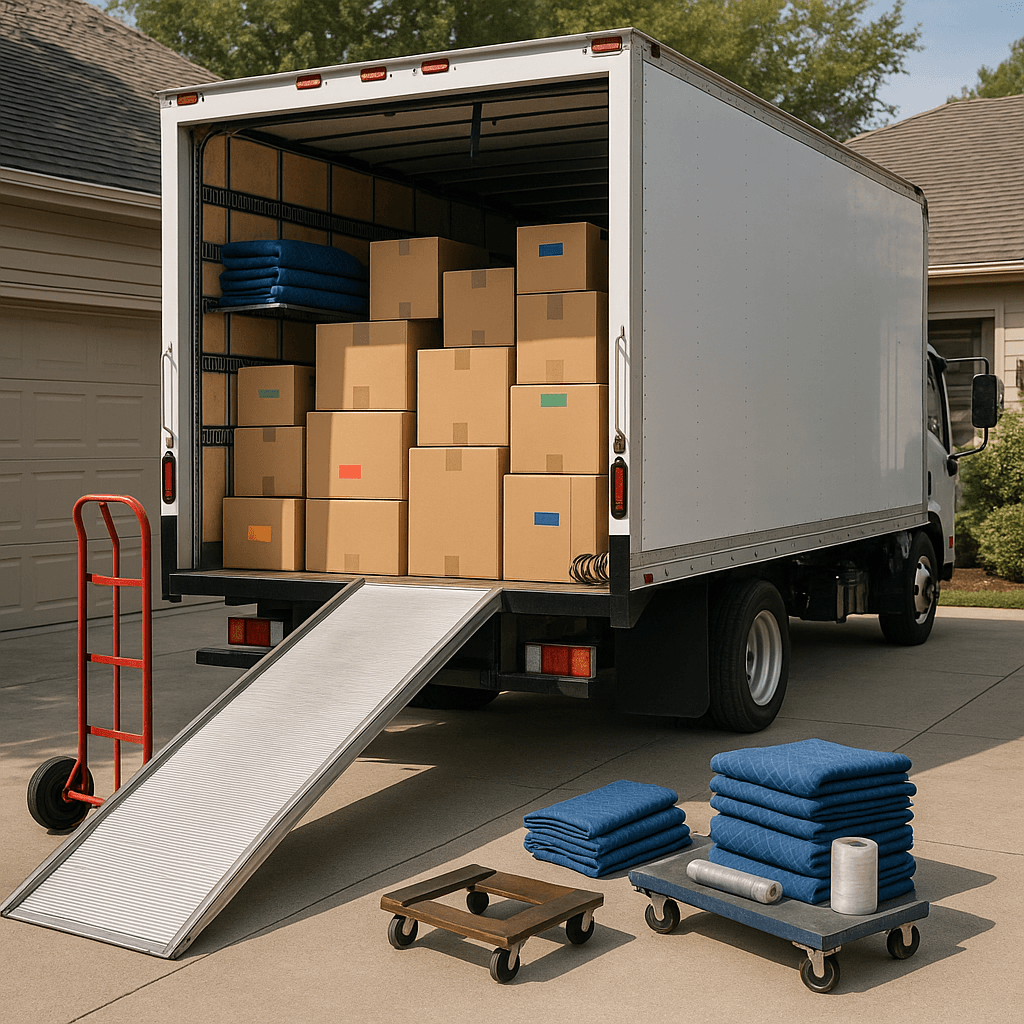
How Much Does It Cost to Start a Moving Company in Washington?
Low
$35,400
Medium
$118,000
High
$354,000
National average: $30,000 – $300,000
Interactive Startup Cost Calculator
Startup Cost Calculator
Moving Company in Washington
Options
Startup Costs
$114,010
Monthly Costs
$17,700
First Year Total
$326,410
Full Cost Breakdown
| Cost Category | Low | Medium | High | Notes |
|---|---|---|---|---|
| Moving Trucks | $17,700 | $59,000 | $177,000 | A used 26-ft box truck is a meaningful five-figure capital purchase; new units run materially higher. Renting trucks initially is a common way to reduce upfront capital while validating job volume. |
| Moving Equipment | $2,360 | $7,080 | $17,700 | An opening kit of 100-200 moving pads, an appliance dolly, a piano board, straps, and shrink wrap is collectively a meaningful low-four-figure investment. All items are essential — under-equipping crews drives damage claims. |
| FMCSA Authority & DOT Number | $354 | $1,770 | $5,900 | FMCSA operating authority (broker or carrier) is a one-time federal filing fee. USDOT number registration is free. Interstate moves require FMCSA authority — see https://www.fmcsa.dot.gov/registration for current fees and requirements. |
| Insurance | $5,750 | $17,250 | $57,500 | Cargo insurance is legally required for interstate moves with minimum coverage limits set by FMCSA. A two-truck operation typically carries premiums in the four-to-low-five figure annual range, scaling with truck count, payroll, and claims history. |
| Moving Software & Quoting System | $590 | $2,950 | $9,440 | MoveHQ, SmartMoving, and Oncue are popular moving company platforms billed on monthly subscriptions that scale with truck and seat count. |
| Marketing & Lead Generation | $1,180 | $5,900 | $23,600 | Pay-per-lead services like MovingHelp.com and Moving.com price leads as a transactional cost. Google Ads converts well for movers with high purchase intent on commercial-mover keywords. |
| Working Capital Reserve | $5,900 | $17,700 | $59,000 | Moving is seasonal — peak season is May through September. Budget for slower winter months when labor utilization drops sharply. |
| Moving Supplies & Packing Materials | $590 | $2,360 | $5,900 | Packing supplies can be resold to customers or included in full-service moves at a markup over wholesale. |
| Total Startup Cost | $34,424 | $114,010 | $356,040 | Required costs only |
Licenses & Permits in Washington
Licenses & Permits in Washington
General Business License
Washington State requires most businesses to obtain a Unified Business Identifier (UBI) through the Business Licensing Service (BLS) of the Department of Revenue. Washington has no state income tax, but does have a Business and Occupation (B&O) tax applied to gross receipts, which is unique among US states. Additionally, businesses must register for the B&O tax and any applicable retail sales tax. Many cities require a separate city business license endorsed onto the state license through a streamlined endorsement system.
Industry-Specific Licenses
- Food Service Establishment Permit — Washington State Department of Health or Local Health DepartmentCost: Varies — contact agency • Renewal: Annual
- General Contractor Registration — Washington State Department of Labor and IndustriesCost: Varies — contact agency • Renewal: Annual
- Master Cosmetician Shop License — Washington State Department of Licensing — CosmetologyCost: Varies — contact agency • Renewal: Annual
- Real Estate Broker License — Washington State Department of Licensing — Real EstateCost: Varies — contact agency • Renewal: Biennial
- Family Day Care License / Child Care Center License — Washington State Department of Children, Youth, and FamiliesCost: Varies — contact agency • Renewal: Annual
- Marijuana Retailer License — Washington State Liquor and Cannabis BoardCost: Varies — contact agency • Renewal: Annual
- Spirits/Beer/Wine Restaurant License — Washington State Liquor and Cannabis BoardCost: Varies — contact agency • Renewal: Annual
- Money Transmitter License — Washington State Department of Financial InstitutionsCost: Varies — contact agency • Renewal: Annual
Home-Based Business Rules
Washington municipalities regulate home-based businesses through local ordinances within the GMA planning framework. Seattle allows home occupations in residential zones with restrictions on customer visits, commercial delivery, and non-resident employees. Many Washington communities have updated their home occupation rules to accommodate remote workers and tech entrepreneurs. Washington's cottage food law supports home-based food production and direct consumer sales subject to a state-defined annual cap.
Monthly Operating Costs
After launch, plan for these ongoing monthly expenses for your Moving Company:
Low
$5,000/mo
Medium
$15,000/mo
High
$45,000/mo
Revenue Potential
Annual Revenue Range
$100,000 – $1,000,000 (annual)
Profit Margins
10-25%
Break-Even Timeline
6-18 months
How Washington Compares to Neighboring States
Washington is a higher-cost state for starting a Moving Company, with a cost-of-living index of 112.9 (national average is 100). Compared to neighboring Idaho ($96,000 median startup cost), Washington has higher costs for a Moving Company.
Common Mistakes to Avoid
- 1
Not obtaining FMCSA operating authority before doing interstate moves — federal penalties for unlicensed interstate transport are substantial
- 2
Underestimating cargo insurance requirements — a single damage claim on a piano, artwork, or designer furniture can run into the five figures
- 3
Starting without a proper quoting system — visual surveys are more accurate than phone estimates
- 4
Hiring unreliable labor — one bad move crew destroys reputation and triggers Yelp reviews
- 5
Not collecting payment at delivery for local moves — chasing collection after the truck is unloaded is very difficult
Next Steps to Launch Your Moving Company
- 1
Form your LLC in Washington — moving companies handle valuable customer property and face significant cargo damage claims (filing fee: $200). If you would rather not file the paperwork yourself, you can compare business formation services.
This is a paid link. If you sign up through it, we earn a commission at no extra cost to you.
- 2
Register with FMCSA to obtain a USDOT number and Motor Carrier (MC) number — required for all interstate moves and most Washington intrastate operations
- 3
Obtain a Washington motor carrier permit for intrastate moves — required in most states even for local moving companies
- 4
Get cargo insurance and commercial auto insurance for your moving trucks — coverage limits are set by FMCSA for interstate operations
- 5
Purchase or lease a 16–26 ft box truck — cargo vans work for small moves; larger jobs require a proper moving truck with lift gate
- 6
File your tariff (rate schedule) with Washington Public Utilities Commission if required — some states regulate moving company rates
- 7
Set up moving company software (HireAHelper dispatch, Movegistics, or MoveitPro) for estimates, crew scheduling, and invoicing
- 8
Obtain a surety bond if required by your Washington — some states require bonds for moving company licensing, with face values set by state
Frequently Asked Questions
Related Businesses in Washington
Storage Unit Facility
Real Estate$200,000 – $2,000,000
View in Washington →
Cleaning Business
Home Services$1,500 – $37,000
View in Washington →
Trucking Company
Transportation & Logistics$30,000 – $200,000
View in Washington →
Courier & Delivery Service
Transportation & Logistics$8,000 – $55,000
View in Washington →
Handyman Business
Home Services$2,000 – $33,000
View in Washington →
Start a Moving Company in Other States
See the national overview for Moving Company or browse all businesses you can start in Washington.