How Much Does It Cost to Start a Food Truck in Indiana?
Starting a Food Truck in Indiana typically costs between $38,700 and $172,000, with a median estimate of $103,200. Indiana’s cost of living is 9% below the national average, which helps reduce operating expenses like commercial rent and labor. LLC formation in Indiana costs $95 to file. Most food truck businesses take 1-3 months to launch.
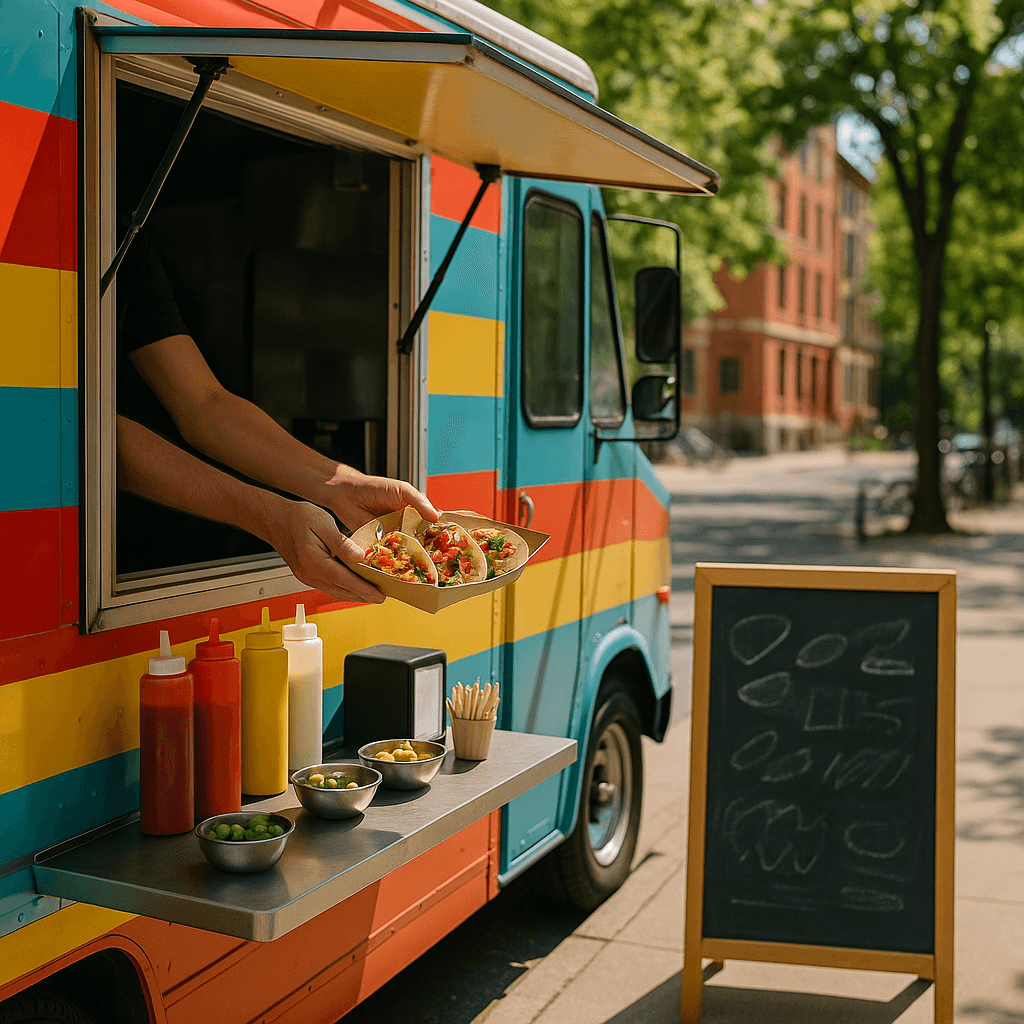
How Much Does It Cost to Start a Food Truck in Indiana?
Low
$38,700
Medium
$103,200
High
$172,000
National average: $45,000 – $200,000
Interactive Startup Cost Calculator
Startup Cost Calculator
Food Truck in Indiana
Options
Startup Costs
$104,232
Monthly Costs
$10,320
First Year Total
$228,072
Full Cost Breakdown
| Cost Category | Low | Medium | High | Notes |
|---|---|---|---|---|
| Food Truck Vehicle | $17,200 | $51,600 | $129,000 | New custom-built trucks are a meaningful six-figure capital purchase. Used trucks in good condition run materially less but require a thorough mechanical and equipment inspection before purchase. |
| Kitchen Equipment & Build-Out | $8,600 | $21,500 | $43,000 | Equipment is often included in a custom truck build. Upgrading a bare truck adds a substantial five-figure cost on top of the vehicle itself. |
| Licenses & Permits | $430 | $2,580 | $6,880 | Most states require a licensed commissary kitchen agreement before issuing a mobile food permit. Permits vary widely by city and can be the rate-limiting step on launch timing. |
| Commissary Kitchen Fees (monthly) | $258 | $602 | $1,290 | Most cities require food trucks to operate from an approved commissary; commissaries are typically billed as a recurring monthly membership. |
| Initial Food Inventory & Supplies | $1,720 | $4,300 | $10,320 | Start conservative and scale up based on sales volume. Don't over-invest in perishables. |
| Insurance | $1,720 | $4,300 | $10,320 | Food trucks need commercial auto AND general liability policies. Premiums scale with vehicle value, payroll, and food category (high-risk items like seafood or dairy push rates up). |
| POS System & Payment Processing | $430 | $1,290 | $2,580 | Square (https://squareup.com/) and Toast (https://pos.toasttab.com/) are popular food truck options. Card processing is priced as a transaction percentage plus a flat fee. |
| Branding & Wrap | $1,290 | $3,440 | $8,600 | A professional vinyl wrap is a low-to-mid four-figure cost and is the truck's most visible marketing asset. |
| Working Capital Reserve | $4,300 | $12,900 | $25,800 | Include fuel, commissary fees, restocking, and unexpected repairs in your reserve. |
| Marketing & Website (optional) | $430 | $1,720 | $4,300 | Instagram and Facebook are essential for food trucks. Post your daily location every day. |
| Total Startup Cost | $35,690 | $101,910 | $236,500 | Required costs only |
Licenses & Permits in Indiana
Licenses & Permits in Indiana
General Business License
Indiana does not have a statewide general business license. Businesses must register their entity with the Indiana Secretary of State and register with the Indiana Department of Revenue for sales tax and withholding tax purposes. Many professions in Indiana require licenses through the Indiana Professional Licensing Agency (IPLA). Individual cities and counties may require local business licenses, particularly for food service, alcohol sales, and certain retail businesses.
Industry-Specific Licenses
- Food Establishment Permit — Indiana State Department of Health or Local Health DepartmentCost: Varies — contact agency • Renewal: Annual
- Home Improvement Supplier Registration — Indiana Attorney General's OfficeCost: Varies — contact agency • Renewal: Annual
- Cosmetology Shop License — Indiana Professional Licensing Agency — State Board of Cosmetology and Barber ExaminersCost: Varies — contact agency • Renewal: Biennial
- Real Estate Broker License — Indiana Professional Licensing Agency — Real Estate CommissionCost: Varies — contact agency • Renewal: Every 3 years
- Child Care Center License — Indiana Family and Social Services Administration — Division of Child ServicesCost: Varies — contact agency • Renewal: Annual
- Retail Liquor License — Indiana Alcohol and Tobacco CommissionCost: Varies — contact agency • Renewal: Annual
- Motor Carrier Registration — Indiana Department of Revenue — Motor Carrier ServicesCost: Varies — contact agency • Renewal: Annual
- Plumbing Contractor License — Indiana Fire Prevention and Building Safety CommissionCost: Varies — contact agency • Renewal: Annual
Home-Based Business Rules
Home-based businesses in Indiana are regulated by local zoning ordinances. Indiana municipalities typically allow home occupations as an accessory use in residential zones with restrictions on the proportion of home space used, signage, and customer visits. Rural areas outside incorporated municipalities generally have minimal restrictions on home-based businesses. Indiana's cottage food law supports home-based food production.
Monthly Operating Costs
After launch, plan for these ongoing monthly expenses for your Food Truck:
Low
$5,000/mo
Medium
$12,000/mo
High
$25,000/mo
Revenue Potential
Annual Revenue Range
$60,000 – $400,000 (annual)
Profit Margins
6-12%
Break-Even Timeline
12-24 months
How Indiana Compares to Neighboring States
Indiana is one of the more affordable states for launching a Food Truck, with a cost-of-living index of 90.6 (national average is 100). Compared to neighboring Michigan ($105,600 median startup cost), Indiana offers lower costs for a Food Truck.
Common Mistakes to Avoid
- 1
Buying a used truck without a thorough inspection — hidden mechanical and equipment issues can run into the tens of thousands once exposed
- 2
Underestimating permit complexity — some cities have multi-year waiting lists for food truck permits
- 3
Skipping the commissary agreement until after buying the truck — not all areas have available commissary space
- 4
Launching with too broad a menu — focus on 5-8 items you can execute perfectly
- 5
Not tracking location performance data — know which spots generate sales and which are wastes of time
Next Steps to Launch Your Food Truck
- 1
Register your Food Truck as an LLC with the Indiana Secretary of State ($95 filing fee). If you would rather not file the paperwork yourself, you can compare business formation services.
This is a paid link. If you sign up through it, we earn a commission at no extra cost to you.
- 2
Obtain a food handler's permit and mobile food vendor license from the Indiana Department of Health
- 3
Secure a commissary kitchen agreement with an approved commercial kitchen in your operating area
- 4
Pass the Indiana fire department and health department mobile unit inspections before your first service day
- 5
Get commercial auto insurance and general liability coverage for food truck operations; premiums scale with vehicle value and menu category
- 6
Apply for vending permits for your target locations — farmers markets, business districts, and event venues
- 7
Set up your POS system (Square or Toast), online ordering profile, and social media accounts before launch
- 8
Order initial food inventory conservatively — start with your top 5–8 menu items and expand based on demand
Frequently Asked Questions
Related Businesses in Indiana
Restaurant
Food & Beverage$175,000 – $750,000
View in Indiana →
Catering Business
Food & Beverage$12,000 – $130,000
View in Indiana →
Ghost Kitchen
Food & Beverage$20,000 – $150,000
View in Indiana →
Meal Prep Business
Food & Beverage$20,000 – $200,000
View in Indiana →
Juice Bar & Smoothie Shop
Food & Beverage$25,000 – $250,000
View in Indiana →
Start a Food Truck in Other States
See the national overview for Food Truck or browse all businesses you can start in Indiana.